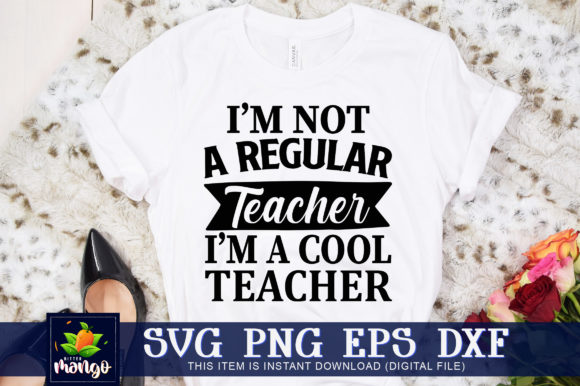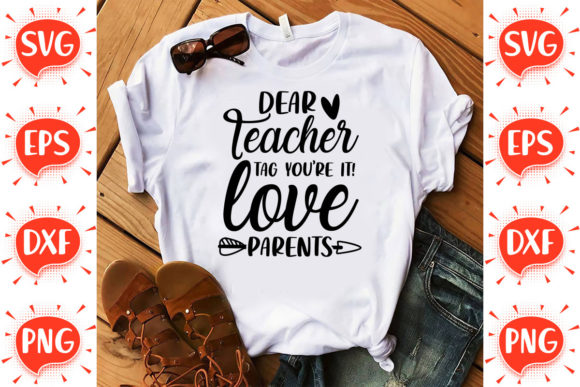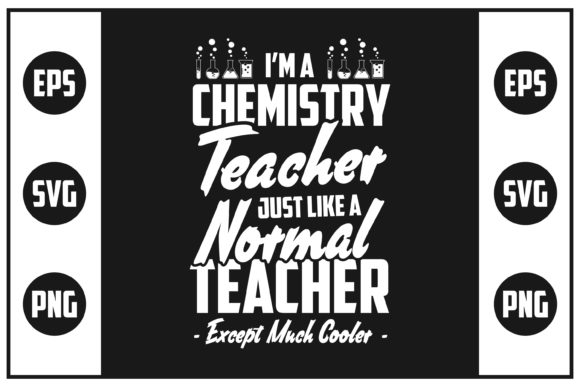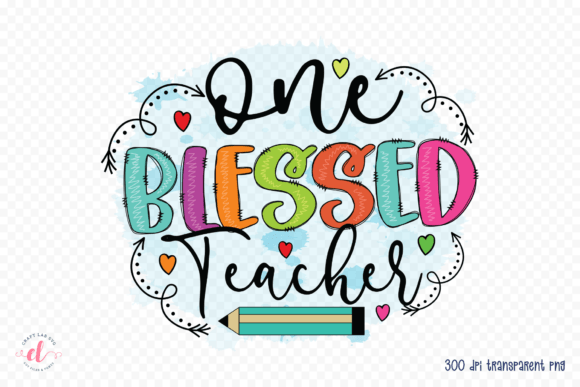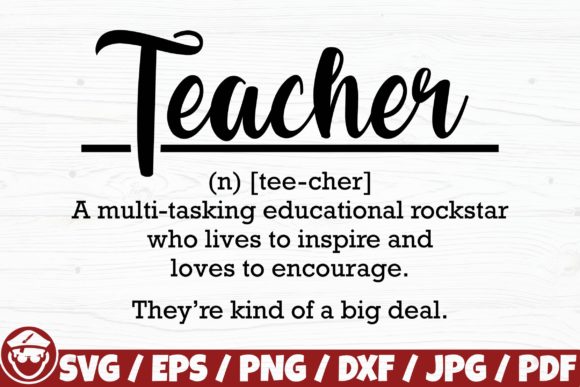
Teacher Hand Written Lettering for Crafts and Graphics
A Warm and Personal Touch for Local Business Branding
As a brand designer with years of experience working on small business branding, I recently reviewed the Teacher Hand Written Lettering graphic design asset and was immediately drawn to its personality. This isn’t just another font or clipart—it’s a versatile handwritten lettering style that exudes warmth, authenticity, and a touch of nostalgia. The kind of thing you’d expect from a local boutique or a handmade gift shop.Real-World Applications for Product Packaging and Promotional Materials
- Product Labels: Ideal for labeling jars, bottles, or boxes for handmade products like candles, soaps, or baked goods.
- Packaging Accents: Use it as a decorative element on gift tags, hang tags, or wrapping paper to enhance visual appeal without overwhelming the layout.
- Hero Graphics: Place it at the top of a flyer or poster to draw attention while maintaining a soft, inviting tone.
- Social Media Campaigns: Incorporate it into digital graphics for Instagram posts, Facebook ads, or Pinterest pins to reflect a creative and personalized brand voice.
- Printable Inserts: Perfect for thank-you cards, recipe cards, or customer appreciation notes included in product packaging.
Supporting Better Business Presentation
One of the biggest advantages of using Teacher Hand Written Lettering is how it enhances the first impression of a product or brand. In today’s visually driven market, standing out is essential. This lettering helps establish a clearer visual hierarchy by allowing key messages to pop in a more natural way.Where This Asset Shines: Practical Design Uses
- Boutique Visuals: A local store selling school-themed apparel or stationery could benefit from this lettering on signage, window displays, or T-shirt designs.
- Seasonal Campaigns: Whether it’s back-to-school promotions or holiday greetings, this lettering brings a festive and personal feel to the message.
- Product Mockups: When creating mockups for mugs, tote bags, or posters, the lettering adds character without becoming too distracting.
- Editorial Design: For newsletters, blogs, or print inserts, it works well in headers or pull quotes to guide the reader through content in a more engaging way.
- Marketing Banners: Used sparingly, it can highlight a special offer or event title in a way that feels both professional and personable.
Where Caution Is Needed
- Formal Corporate Branding: Its casual and decorative nature may not align with more serious or structured brand identities.
- Very Small Labels: Because of the script’s complexity, it may become illegible on tiny surfaces like ingredient tags or price stickers.
- Crowded Packaging: If a label or box is already packed with information, adding this lettering could make it harder to read and less professional.
- Legal Information Areas: Never use it for disclaimers, terms of service, or any required legal text—opt for clean, clear typefaces instead.
- Low-Contrast Backgrounds: Test it thoroughly against different colors and textures. On certain backgrounds, it may lose clarity or appear washed out.
Design Tips and Best Practices for Using This Asset
First, always test it on a real product mockup. Open the SVG or AI file and place it on a vector-based product template—whether it’s a mug, T-shirt, or tote bag. See how it looks under lighting variations and in different sizes. The PNG and EPS versions are great for print work, but the SVG format offers the best scalability and editability.
Check how it appears in black and white. Many packaging printers still use grayscale proofs, and it’s important to ensure legibility even without color. Also, preview it on small labels to confirm it won’t get lost in size or resolution.
Try combining it with your brand colors. Does it stand out enough? Or does it blend in too much? Sometimes a bold background or contrasting stroke weight can help it shine. Compare it side-by-side with other font styles—serif, sans serif, script, display—to find the right balance for your visuals.
Before finalizing anything for commercial use, confirm that the asset includes a proper commercial license. This is vital for anyone planning to use it in physical products or client work. As with all design assets from creative marketplaces, licensing rules vary, so double-check before moving forward.